Summary: Birdwatching is a great way to get started with nature study for your kids. This includes tips for birdwatching, books, a simple unit study, and more. This post may included affiliate links to products that we love and have used or would use in our homeschool, and click here for my disclosure policy. #naturestudy #homeschoolelementary #unitstudy
Are you kids so wanting to be able to play outside? Do they miss doing nature study from last summer?
How about putting out a bird feeder, and watching for wild birds from the coziness of your warm living room?
Today I'd like to share how we did birdwatching in our homeschool, starting with having fun birdwatching:
- Bird Photos to Identify
- Elementary Bird Activities
- Birding Unit Study
- Science Experiments
- Holiday Bird Count
- Birdwatching Books
- Art Lessons on Birds
We started birdwatching very early on in our homeschool. When my child was a toddler, she noticed the birds from her bedroom window. We enjoyed watching local birds that would fly by, or land on a tree, or sometimes on our deck.
We made a peanut butter feeder, just from a large pinecone and peanut butter, and a strong to hang it with. You could use a toilet paper roll, too.
Then, we put up a feeding station, one for the suet, which the wild birds especially liked, and one for the bird seeds.
Below are photos of common birds seen in our country. You may enjoy identifying these with your children.
1. Bird Photos for Identification
 |
| Pileated Woodpecker (left) and Downey Woodpecker |
One day we were blessed to see a hummingbird on one of our bushes....
In the winter we saw robins....
 |
Canadian Robin
|
2. Elementary Bird Activities
We were always on the hunt for birds.
We watched for them, looked them up together, and discussed what they liked to eat. At the library, we found books on bird nests and baby birds.
3. Simple Unit Study on Birdwatching
Having a bird feeder nearby, and watching the comings and goings there, can be a great nature study and unit study activity.
Math can be done just by just adding in some bird count activities. You could even report your findings to the FeederWatch site. That touches on science, reading, and even math, for recording and reporting your stats to the site.
Moving the Bird Feeder Experiment
One year, we decided to move our bird feeding station from the side yard to the back, where we could see the birds better. This led to a great math and science activity, involving three steps:
Three Steps to Experimenting:
1. Make a hypothesis - First we estimated how long the birds would take to find the new feeder location
2. Collect your data - Then we tabulating how many came to the new feeder each day
3. Do your analysis - Then we analysed our data, to determine if our hypothesis was correct.
It took over a month for all the birds to find the new location!
Our hypothesis was wrong. But my child was learning and using the scientific process, while developing a love for nature.
For Older Birders
Nature journaling can become the science and art component.
Sometimes we even joined in with Cornell's Feeder Watch. We enjoyed doing that each year, just by counting the number of different birds that came to our backyard feeder.
Your older birds may just love joining in an organized bird count, and below is more information on that.
This is an organized count of the number of birds found in your backyard, or your designated area. It is sponsored by the Audubon Society, and provides vital information to help protect birdlife habitat.
We watched from our feeder and from our neighborhood, keeping stats on what we saw. As my child grew older, she became to scribe, and would submit the data herself.
Pretty soon it was her data. If you are interested, they also have a Backyard Bird Count, which goes on periodically throughout the year, too.
For winter birding, there is the Great Backyard Bird Count in February.
This became a tradition in our home, each year. We saw, identified and counted hundreds of birds, such a joy to discover some of God's creation.
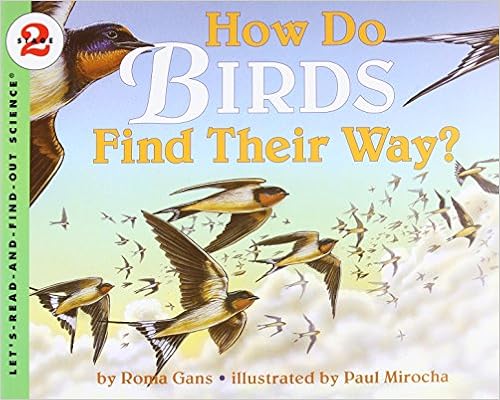
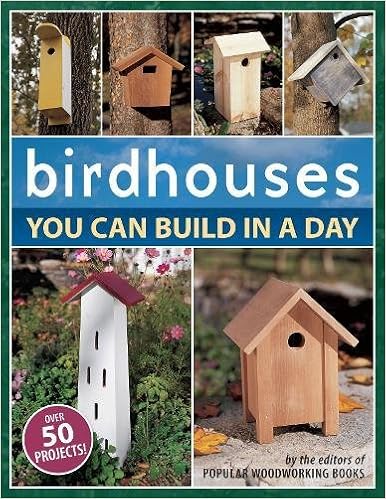
Adding in some great books about birds can then easily complete your unit study.
Books for Young Birdwatchers
Would you like to add art to your birdwatching unit study? Would you like to have your kids learn more about specific birds, and do art at the same time?
Art Lessons for Birders
Have you ever seen the frugal art lessons offered by Tricia Hodges, a long time homeschooler?
These video art lessons from Chalk Pastels.com are taught by a master artist and include the following birds:
- owl
- cardinal
- goldfinch
- hummingbird
- chickadee
- robin
- sandpiper
- bluebird
- Bonus! baby bluebird and bird nest
Click here for more information, a free sample lesson and more.
Would you young birders enjoy studying leaves? My friend, Misty offers a Leaves Unit Study that I think they would enjoy.
Birdwatching provided so many learning opportunities, and built a love of nature in my daughter, that has continued through the years.
What are you favorite things to do for nature study?
Thanks for stopping by BJ's Homeschool,
Copyright, Revised 2024
All Rights Reserved